
Showcasing Scholarship through Art—The 2026 Image of Research Competition
The Graduate School congratulates the winners and finalists of this year's competition, which marks the third annual event.
Oxford, MS - The Image of Research 2026 Competition was held during the Spring semester. Using a single image, whether a photograph, AI-generated picture, or graphic snapshot, graduate students showcased their research during a Graduate School open house.
A single photograph or image is the medium for the Image of Research Competition held each Spring in the Graduate School since 2024. In a world of TikTok videos and multiple social media posts, this competition requires graduate students to create a unique static image to effectively showcase their research or creative work.
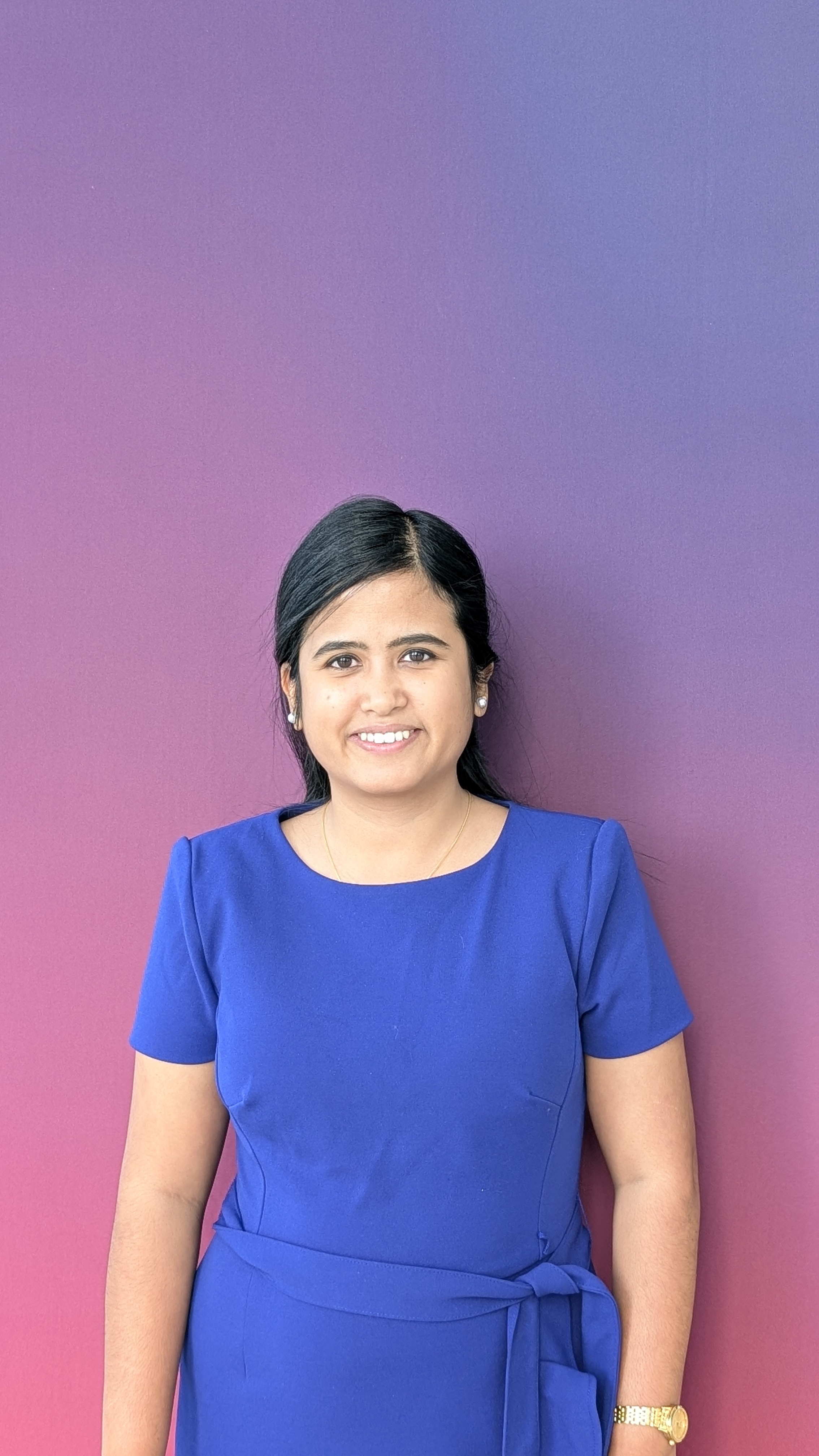 The winner of the 2026 Image of Research Competition is Dipika Barman. A Ph.D. in Physics student, Barman is originally from Bangladesh. She studies gravitational waves and the changes they can undergo in intense conditions. “My research focuses on testing Einstein’s theory of general relativity using gravitational waves, which are tiny ripples in space and time produced when massive objects like black holes and neutron stars collide. By analyzing these signals, I study whether Einstein’s theory still accurately describes gravity under the most extreme conditions in the universe. I am particularly interested in boson star binaries, and I believe investigating them could open a new window in gravitational-wave astronomy.”
Barman’s research advances understanding of the universe since boson star binaries differ from colliding black holes. Boson stars are not stars in the traditional sense, but hypothetical objects composed of a large number of bosons, particles with special properties, held together by gravitational forces and forming a star-like configuration. A binary involves two boson stars that orbit one another. Barman has been “fascinated by stars and galaxies since childhood,” which led her to delve deeper into astrophysics. “My interest in this field grew even stronger in 2015, when the first gravitational wave from a black hole merger was detected. That discovery was exciting because it opened a completely new way of observing the universe. It inspired me to pursue gravitational-wave astronomy as the focus of my future research.” Looking forward, Barman will continue to build on her work in gravitational-wave science. “In the future, I plan to work on improving the pipelines used to test general relativity and on waveform modeling for next-generation gravitational-wave detectors such as LISA (Laser Interferometer Space Antenna) and other third-generation detectors.”
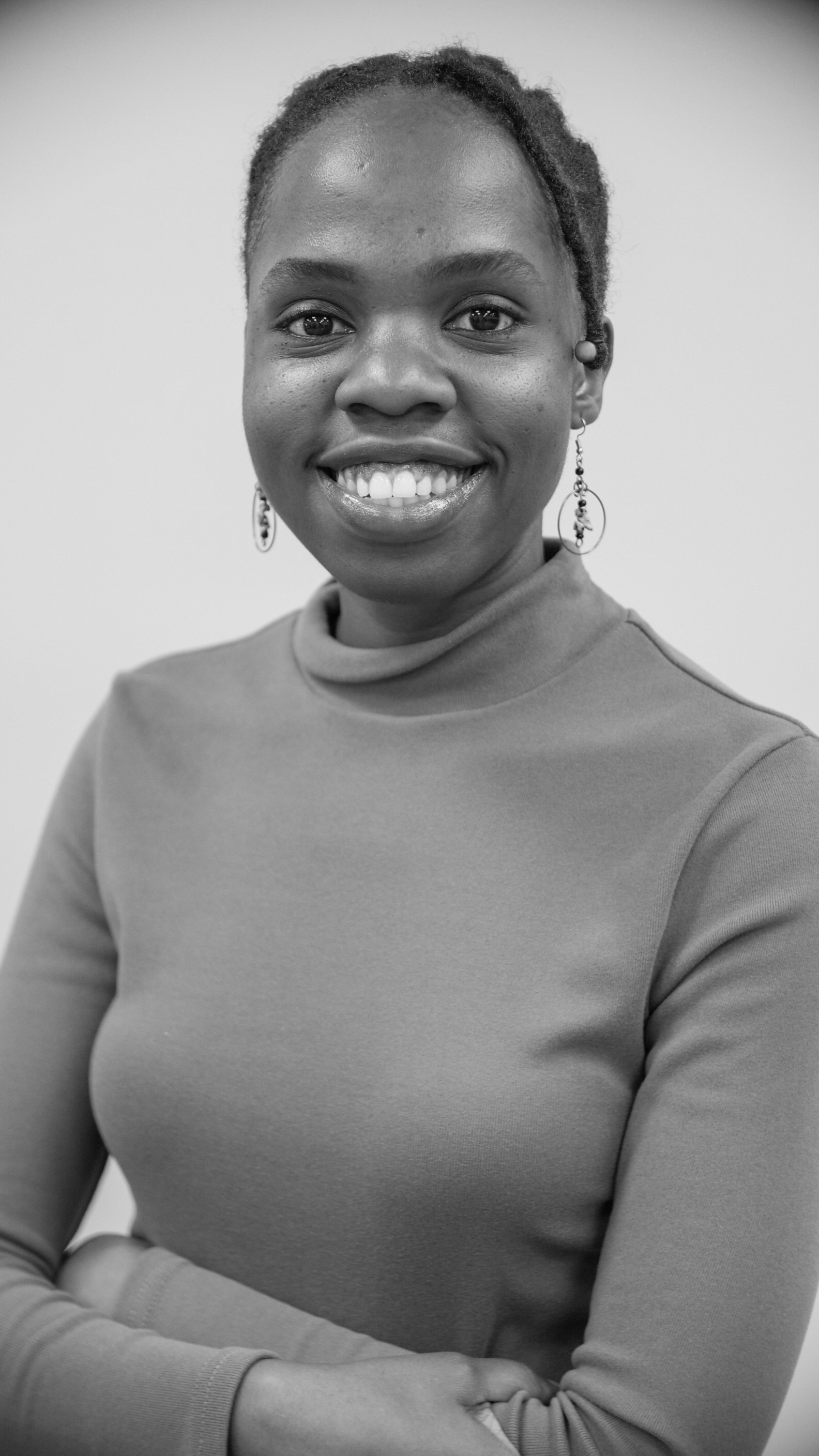 The runner-up of the 2026 Image of Research Competition is Hope Kirabo. She is currently earning her Ph.D. in Psychology with Emphasis in Clinical Psychology at UM. Kirabo’s research focuses on trauma and mental health outcomes. “I study how trauma and adversity, including childhood trauma and suicide, affect mental health, and how resilience and meaning in life can emerge from these experiences. I am interested in using photography as a visual way to depict the constructs I study and to start conversations, and Photovoice, a participatory tool that lets participants tell their own stories and connect with their communities. This approach helps people express complex emotions, reduces stigma, and opens dialogue in ways traditional research sometimes cannot.”
Kirabo, a native of Kampala, Uganda, first became interested in this area of psychology after working with “vulnerable groups of young people, such as teenage mothers and adolescents with HIV.” She said utilizing photography allowed her to translate “numbers and statistical analyses” into a more meaningful connection with the communities and individuals she studies. Kirabo hopes to continue researching adversity, trauma, and mental health “using visual methods like photography and Photovoice to engage communities directly.” Ultimately, she wants to develop ways for research to “be more accessible and meaningful to the people it studies, reduce stigma around difficult topics, and create opportunities for dialogue and advocacy.”
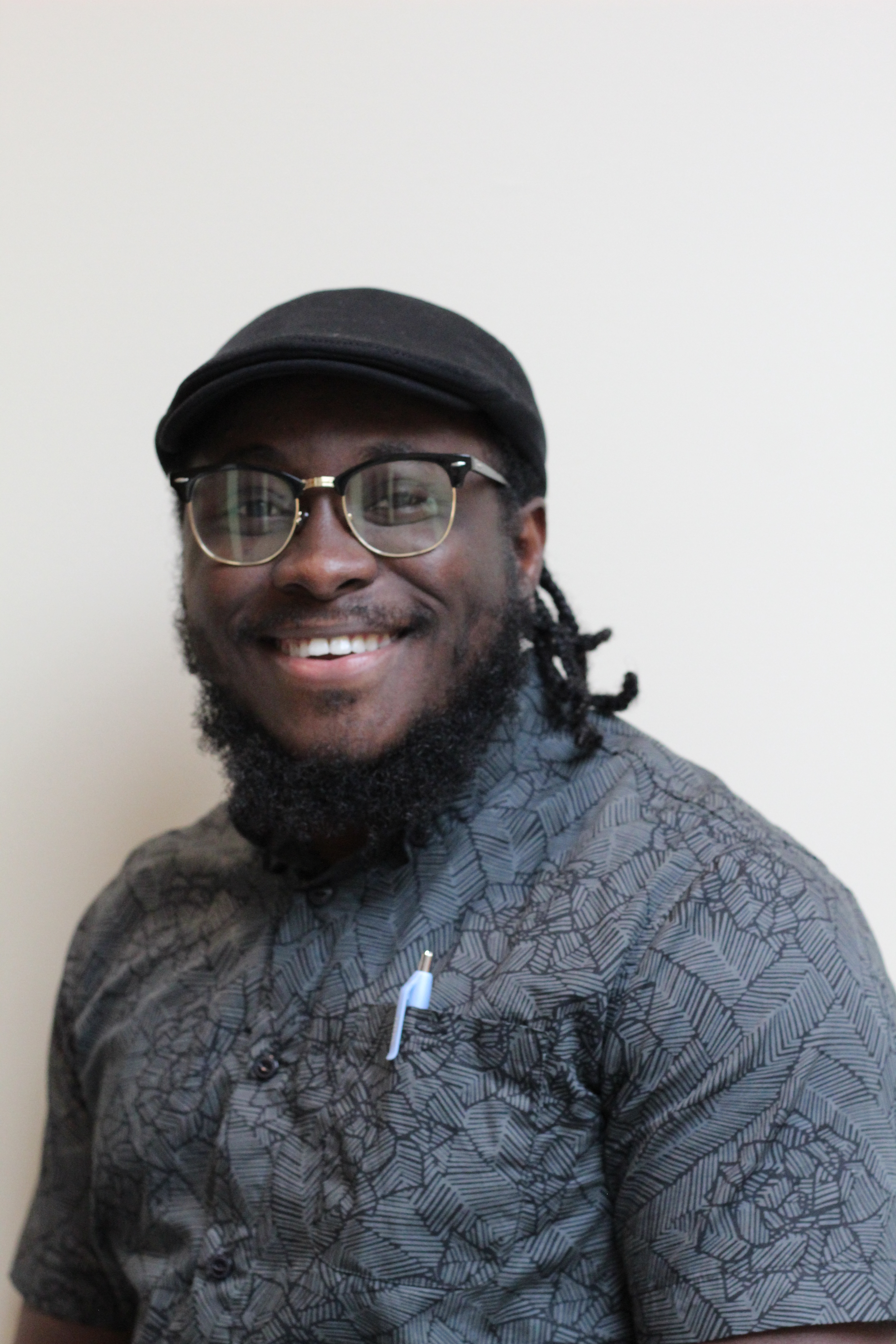 Other finalists included Ibrahim Williams, an Ph.D. in English student from Lagos, Nigeria. His research examines narratives and representations of migration. “I am particularly interested in aspects of migration that are often overlooked in discussions of (irregular) movement from one place to another. My current work centers on the African migrant family, which I argue is largely omitted in scholarship that focuses primarily on the individual migrant. Using four African diasporic novels and four films, my dissertation studies African migrant families to better understand the complex experiences and dynamics that have not been fully explored in existing research.”
Williams became interested in “migration scholarship” through his own experiences as an international student. “Experiencing distance from my family made me realize that the nuances of the separation families go through during migration are not given enough attention in literary scholarship or in popular media. At the same time, the disturbing anti-migrant attitudes we have been witnessing across many Euro-American cities have also influenced my thinking. Together, these experiences sparked my interest in studying the migrant family.” In the future, Williams wants to “contribute to deeper and more thoughtful ways of understanding migration” through his work as a scholar and educator.
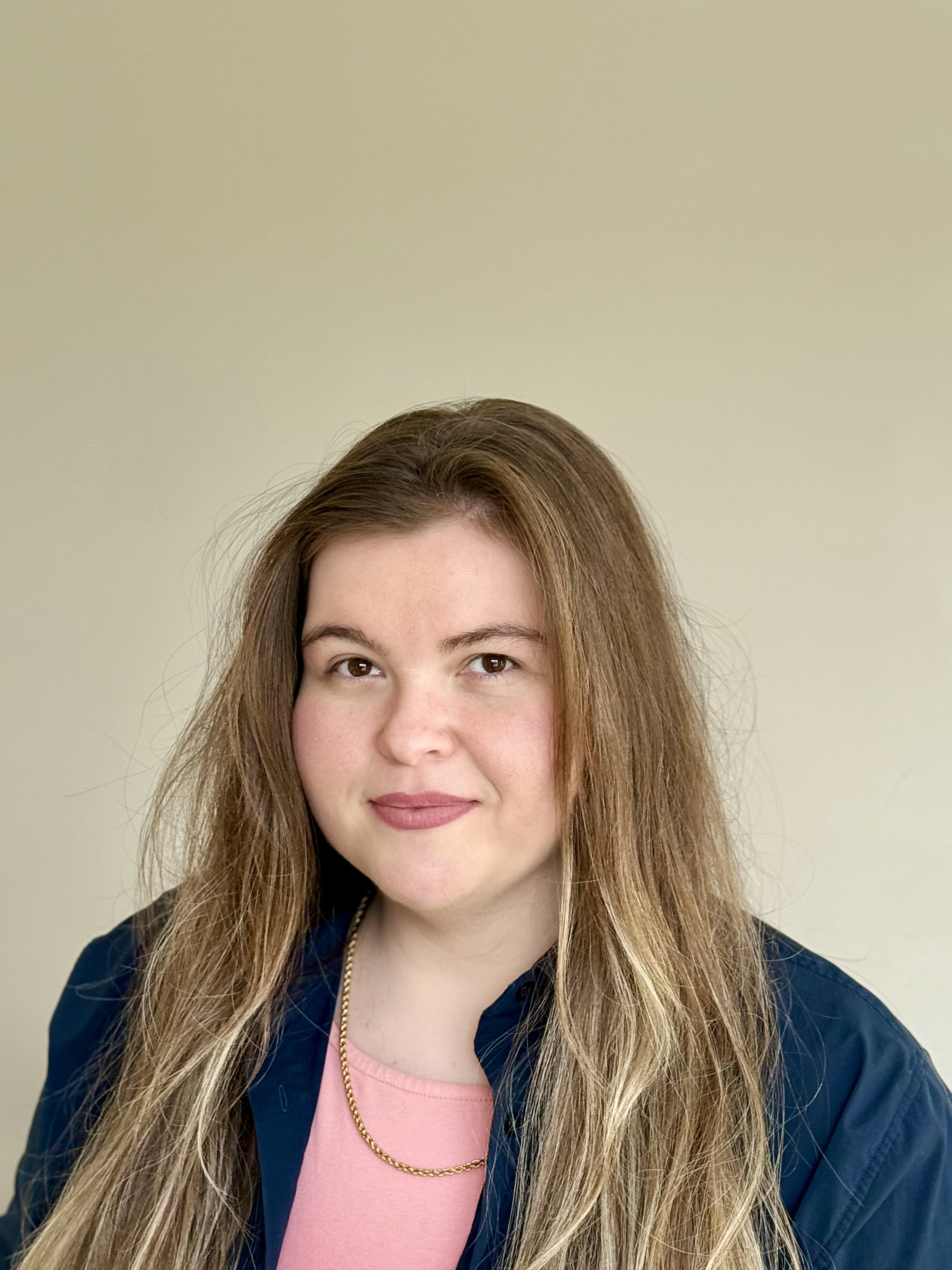 Another finalist was Maide Beyza Cayli, who is pursuing a Ph.D. in Second Language Studies with Emphasis in Applied Linguistics at the UM Graduate School. Her research examines ESL (English as a Second Language) learners’ and instructors’ experiences with and perceptions of using ChatGPT. She explained, “By looking at both groups’ views, experiences, and reported uses, my study aims to provide useful, practical insights into the role of AI in language learning and teaching.”
Cayli, who hails from Kahramanmaras, Turkey, said her interest in this area began when she observed some ESL learners engaging with ChatGPT while others had little interaction with it. “Seeing my own students turn to ChatGPT early on made me even more curious. I began to wonder how others were using it and how it could be integrated into classes. Its potential and impressive performance quickly caught my attention.” Through her research, Cayli seeks to “provide insights into how ChatGPT or various other AI tools can be used effectively in language learning, particularly for educators and policymakers.”
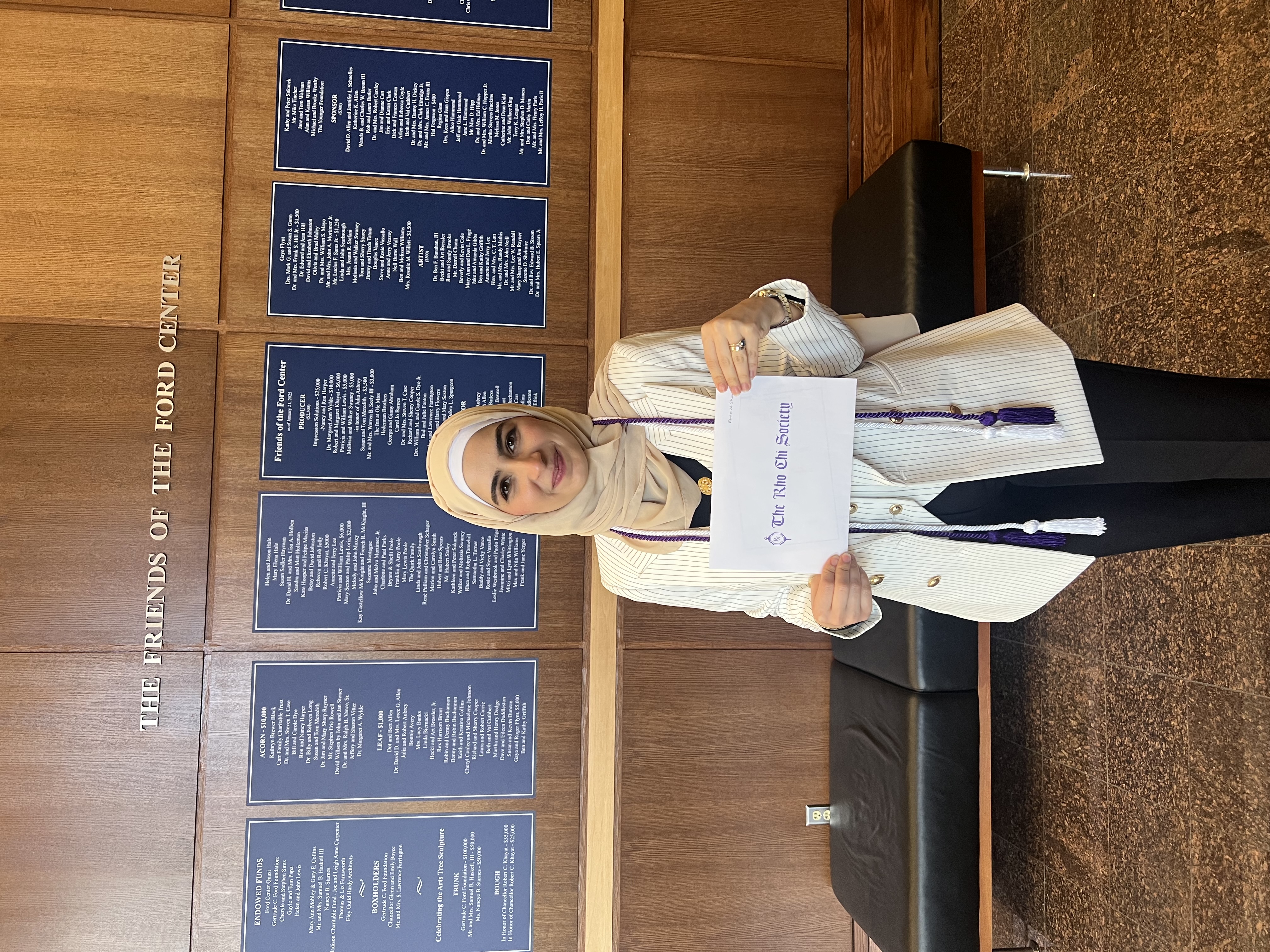 Rounding out the group, our final Image of Research finalist was Esraa Al Shawakri, who also served as a class marshal during the doctoral hooding ceremony on May 6th. Originally from Jordan, she recently received her Ph.D. in Pharmaceutical Sciences with Emphasis in Pharmaceutics. Her research focused on “developing advanced drug delivery systems using modern pharmaceutical manufacturing technologies, particularly hot-melt extrusion (HME) and 3D printing.” She explained, “These approaches allow us to incorporate therapeutic drugs into polymer-based matrices to create innovative dosage forms, such as buccal films, tablets, and controlled-release systems.” and that this pharmaceutical technology will “offer a flexible platform for designing customized dosage forms, which supports the development of personalized and on-demand drug delivery systems.”
Al Shawakri first became intrigued in this area of research when she realized that “a medicine’s effectiveness depends not only on the drug itself but also on how it is formulated and delivered to the body.” In particular, she became fascinated by “the science of designing dosage forms to improve drug performance and patient outcomes,” which led her to pursue research in drug delivery technologies. Looking ahead, Al Shawakri wants to pursue a career in pharmaceutical research and academia. She plans to continue researching “emerging techniques such as hot-melt extrusion and pharmaceutical 3D printing,” while also “teaching and mentoring the next generation of scientists.”
The 2026 Image of Research competition highlighted the depth, diversity, and innovation of graduate research at The University of Mississippi. From exploring the farthest reaches of the universe to examining human resilience, migration, language, and medical advancement, this year’s participants demonstrated how research can both inform and inspire. Through visual storytelling, their work not only communicated complex ideas but also invited broader engagement and understanding across disciplines.
We invite the public to visit the Graduate House, located on Business Row, to see these images in person. Please visit our website to learn more about the Image of Research competition requirements, instructions, and opportunities.
By
Emma Taylor
Campus
Published
June 28, 2026